Where to go
The Playground consists of red below-ground rooms rather than an exterior tower. The rooms, kettle-like movable objects, separated sightlines, and wall-symbol response identify the puzzle.
Number the sunken-room grid, place kettles to encode the active dots, swap access, and reproduce them with wall symbols.
Find the red rooms embedded in the ground and split across the Playground sections. Before touching anything, number the visible positions as rows and columns from one shared viewpoint. The sender reads the current dot pattern and moves or kicks kettles into those numbered positions, using the layout as a physical message. Let the receiver inspect and repeat every coordinate. Swap access as the puzzle allows, then reproduce the same coordinate pattern with the wall symbols or buttons. Use the current dots, not a fixed answer. If rejected, compare one coordinate at a time and check that neither side mirrored the grid.
The Playground consists of red below-ground rooms rather than an exterior tower. The rooms, kettle-like movable objects, separated sightlines, and wall-symbol response identify the puzzle.
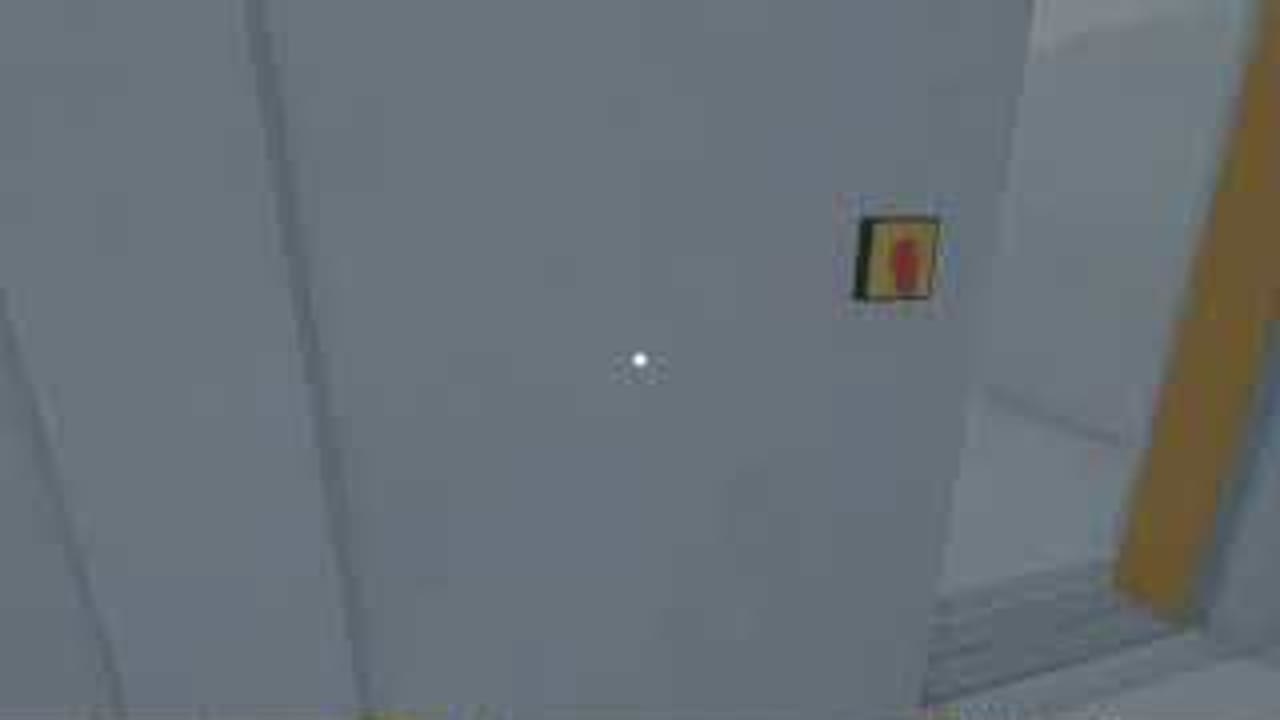
Enter the below-ground Playground and identify movable kettles plus the separate wall-symbol section.
Players can see different parts of one message route.
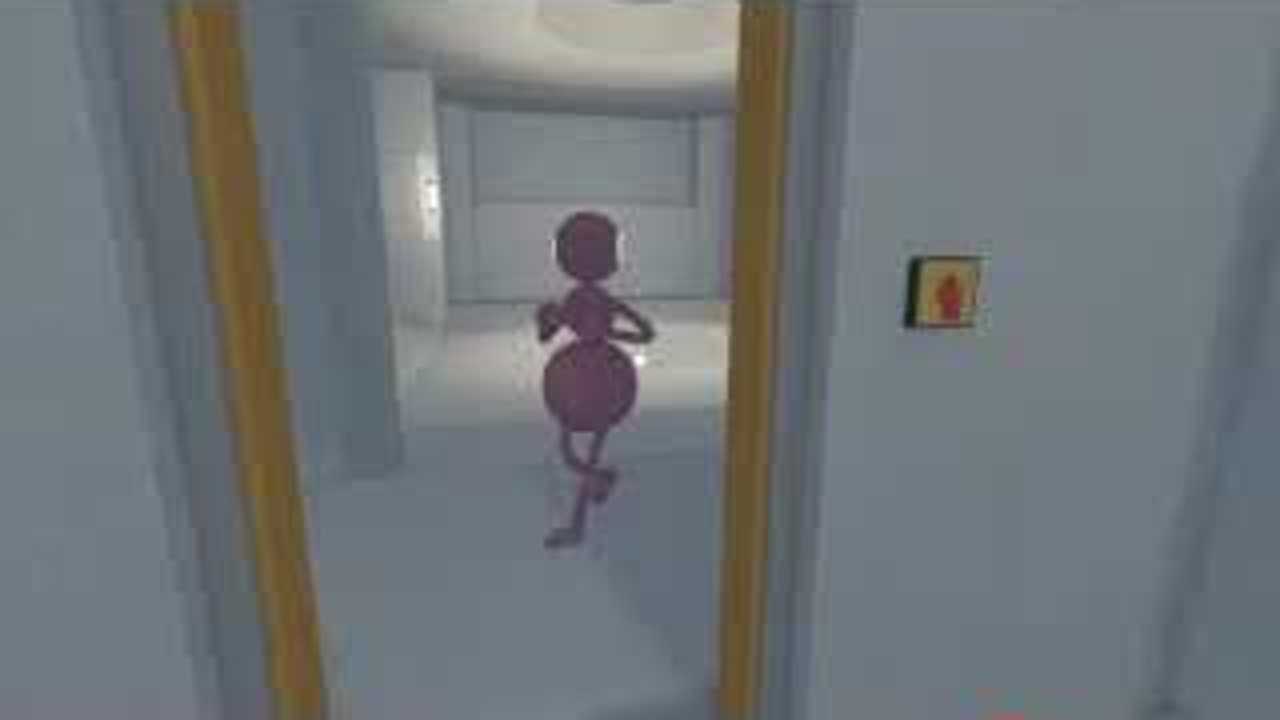
Choose top-left as the origin and label every usable position before moving a kettle.
Both players can translate a coordinate to one physical spot.
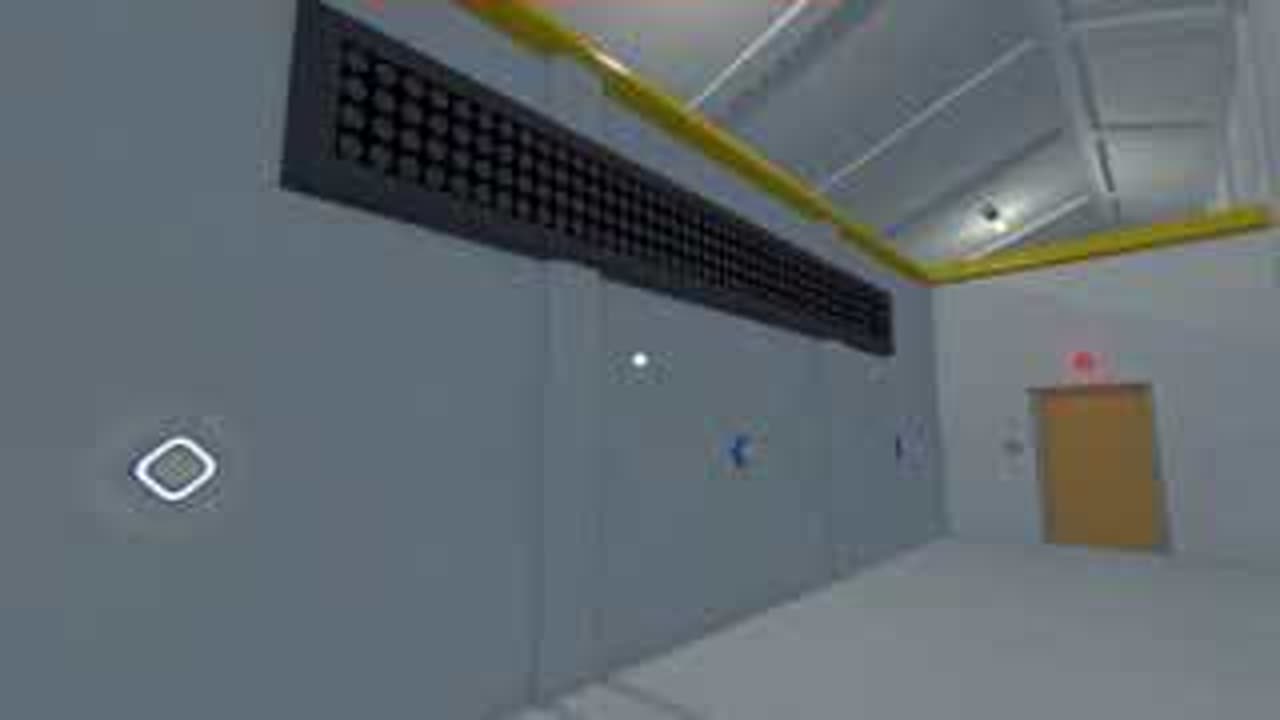
Sender lists each lit or required coordinate in a consistent row-first order.
The count of coordinates matches the visible target.
Move one kettle to the called coordinate, wait for receiver confirmation, then place the next.
Every kettle occupies one recorded target position.
After the receiver records the layout, use the access change and enter the same positions on the wall-symbol controls.
The wall input preserves the original orientation.
If rejected, compare sender list, kettle layout, and wall input at the first differing position only.
The corrected current pattern releases the Red Blob.
Use one player for each information or action side. The sender arranges kettles; the receiver records coordinates and operates the wall.
Keep the two core roles unchanged. Extra players should spot, carry, or record the current sequence without creating a second caller.